

Philippine Beachfront and Leisure Property Markets
Leisure property is the category where Philippine investors most often confuse a good holiday with a good investment. The two are unrelated variables, and the markets that make the best vacations frequently make the worst returns.
This guide covers ten established and emerging leisure markets, what actually drives value in each, and the structural constraints that apply to all of them. Every entry should be read alongside the section on ownership and diligence at the end, because leisure property in the Philippines carries title, classification, and foreshore issues that ordinary urban property does not.

What Actually Drives Leisure Property Returns
Before the markets, the mechanics, because they explain why the ranking of desirability differs from the ranking of returns.
Airport access is the single strongest determinant. A destination with a functioning commercial airport and regular flights has a demand catchment measured in millions. One requiring a flight plus a three hour transfer has a catchment measured in enthusiasts. Access changes returns more than beach quality does.
Seasonality is the constraint everyone underestimates. Philippine leisure demand concentrates heavily in the dry season, and typhoon season suppresses occupancy for months. An annual yield calculation built on peak season rates is not a yield calculation.
Management intensity is higher than any other property type. Short term letting means constant turnover, cleaning, maintenance, guest communication, and marketing. Either you pay an operator, which materially reduces net yield, or you run it yourself, which is a business rather than an investment.
Exit liquidity is thin. Leisure markets have far fewer buyers than urban ones, and selling can take a long time. This is the risk least reflected in purchase pricing.
1. Boracay, Aklan
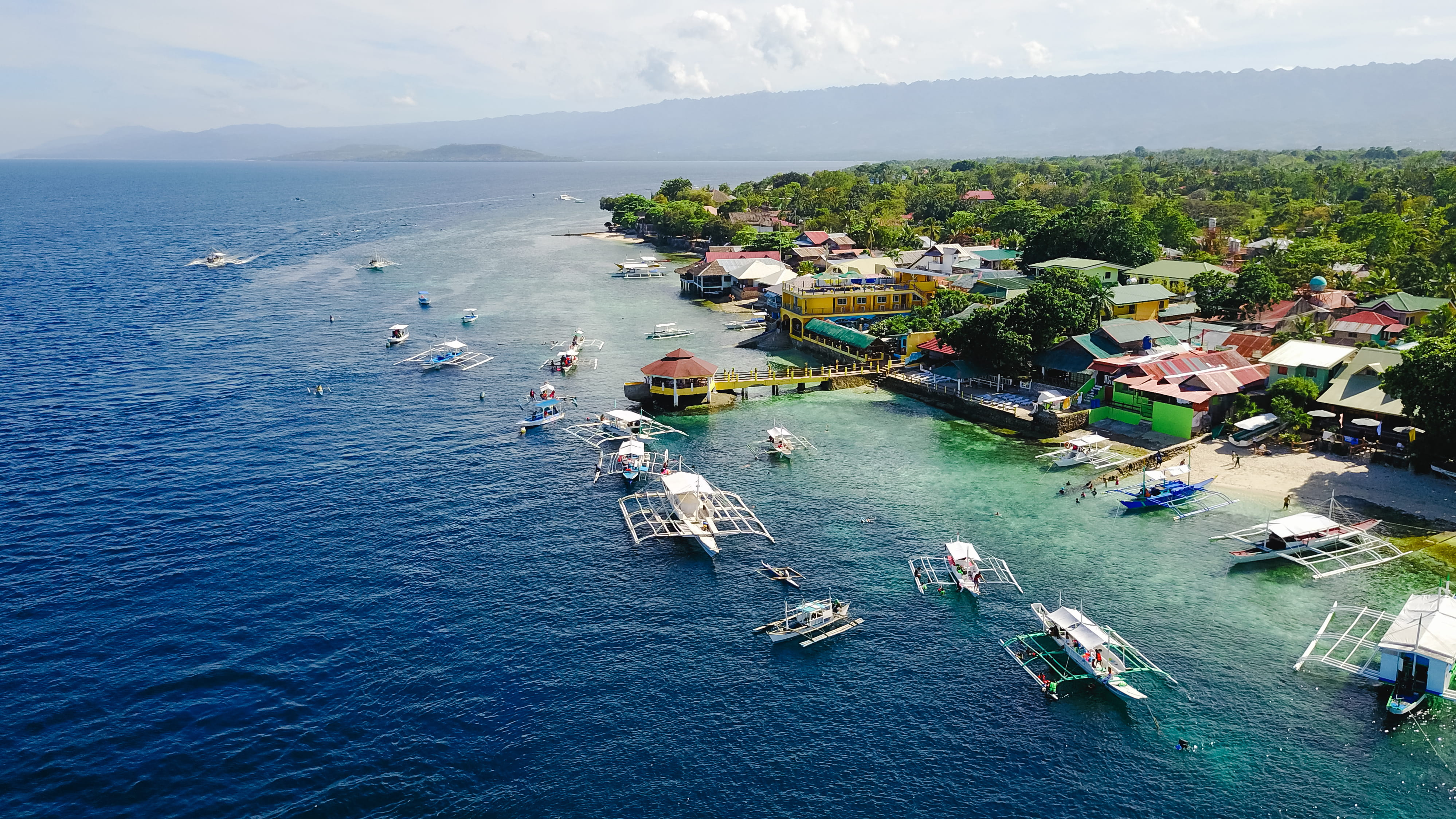
The country's most established leisure market, with the deepest demand, the widest range of operators, and genuine international recognition.
What drives value: proximity to White Beach, station location, and permitted use. The rehabilitation and closure period demonstrated that regulatory risk on this island is real rather than theoretical, and compliance with easement and environmental rules is now central to any acquisition.
The constraint: entry prices reflect the market's maturity, and the regulatory environment is the strictest in the country. Verify compliance status of any existing structure before you buy, not after.
2. Panglao and Bohol

Bohol Panglao International Airport transformed this market, and it remains one of the clearest examples of airport access driving land values.
What drives value: beachfront and near beach parcels within reach of Alona Beach, plus the wider Bohol tourism circuit including the Chocolate Hills and river tours, which extends the average stay.
The constraint: supply has responded to the airport, and buyers should assess whether a specific location is genuinely near the demand or merely on the same island.
3. Coron and El Nido, Palawan

The strongest brand in Philippine leisure and among the hardest to operate in.
What drives value: scarcity. Palawan's environmental protections limit development substantially, which supports values for compliant existing assets.
The constraint: those same protections make new development difficult and slow. Access is via smaller airports with limited capacity, infrastructure is constrained, and construction costs are elevated by logistics. This is a market for operators with genuine local capability rather than passive investors.
4. Siargao, Surigao del Norte

The fastest sentiment shift of any Philippine leisure market in the past decade, driven by surfing, remote workers, and social media.
What drives value: proximity to Cloud 9 and General Luna, and the island's appeal to longer staying visitors, which produces better occupancy than pure holiday markets.
The constraint: infrastructure, power reliability, and typhoon exposure are all material. Odette demonstrated the physical risk directly. Prices have moved substantially, so the entry advantage that existed several years ago has largely closed.
5. Batangas Coastal Belt
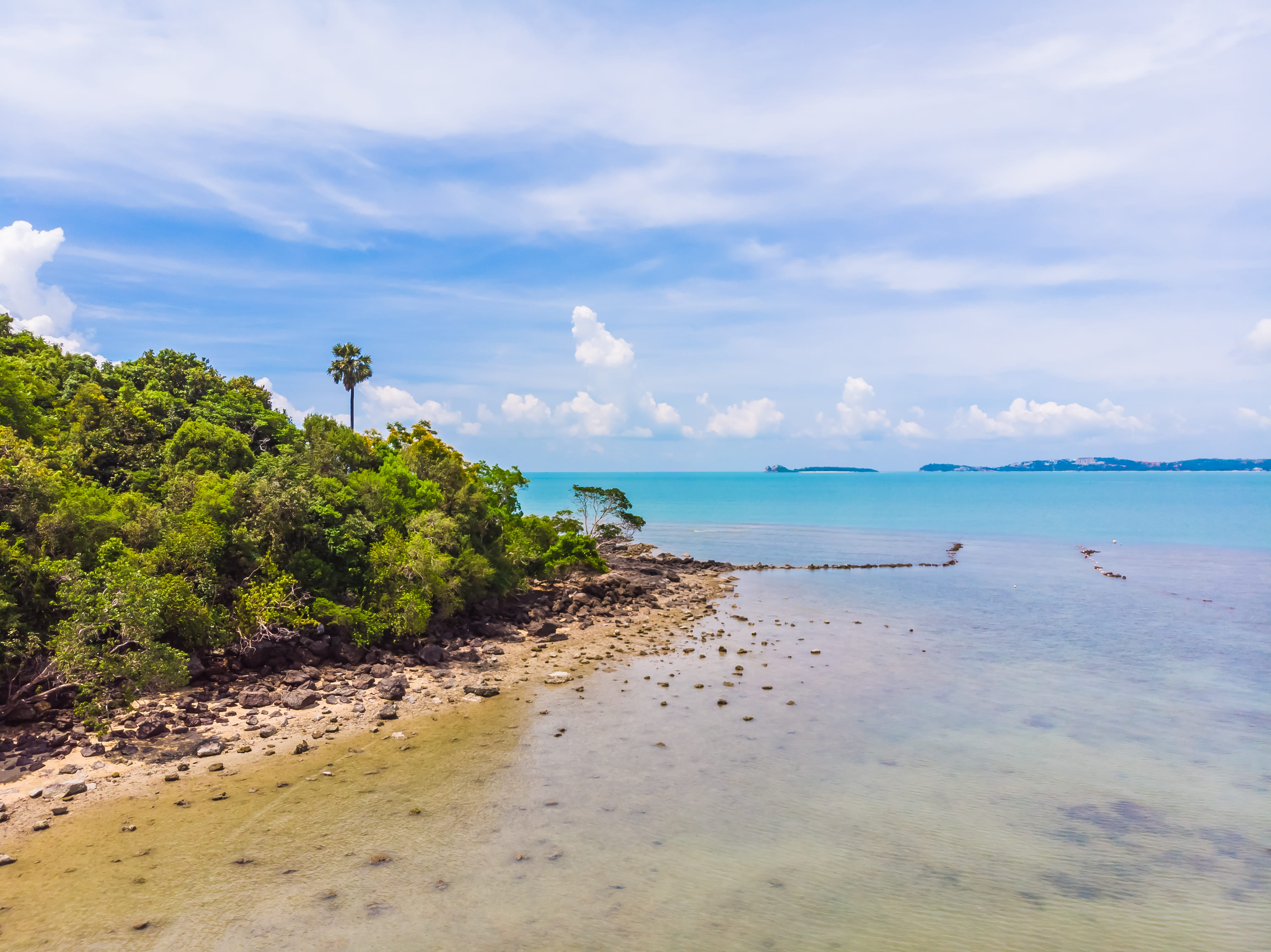
The default weekend market for Metro Manila, covering Nasugbu, Calatagan, Laiya, and Anilao.
What drives value: drive time. This market runs on road access rather than air access, which makes expressway improvements the primary value driver and gives it a demand pattern unlike any island market.
The constraint: demand is concentrated into weekends and holidays, which caps utilization. Anilao serves a specific diving market with its own dynamics. Weekday occupancy is the number to interrogate.
6. Zambales and Subic Corridor
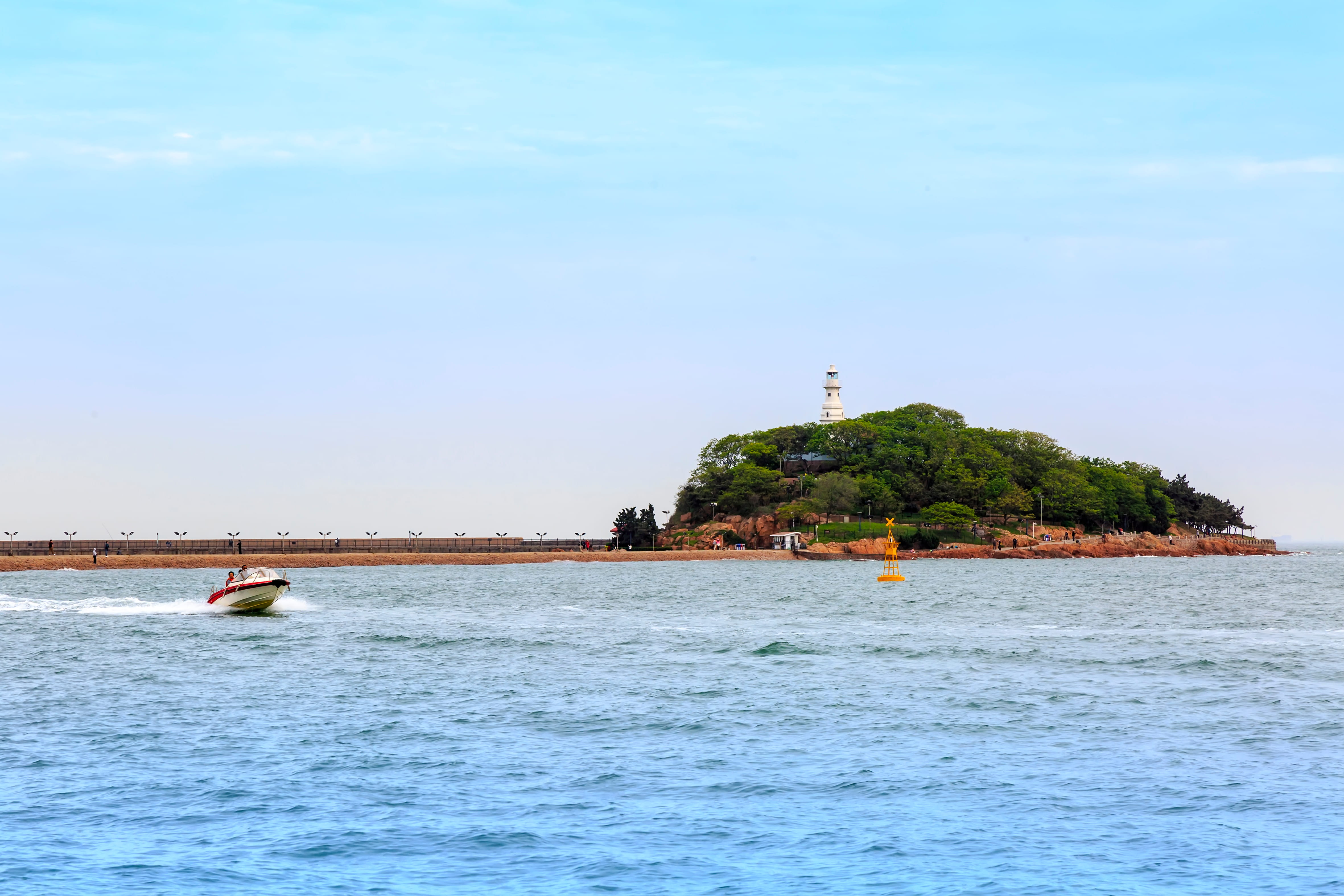
The northern equivalent of the Batangas belt, covering San Antonio, San Felipe, Botolan, and the Subic Bay Freeport.
What drives value: expressway access from Metro Manila, surf beaches at Liwliwa and San Narciso, and the Subic Bay Freeport's separate commercial and industrial economy, which provides non tourism demand.
The constraint: the same weekend concentration as Batangas, and beach quality varies considerably along the coast.
7. La Union
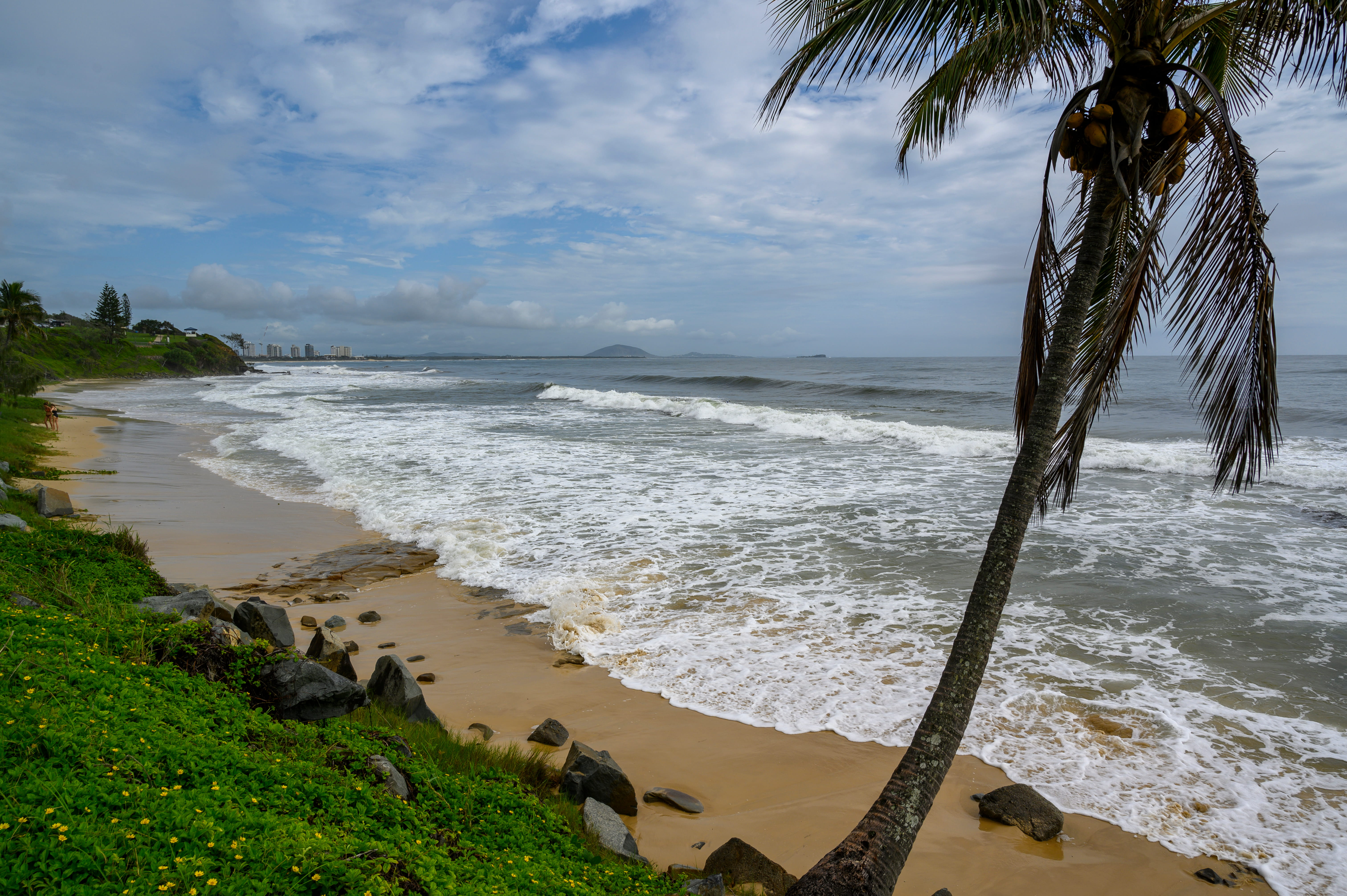
A surf and lifestyle market with an established weekend economy, centered on San Juan and Urbiztondo.
What drives value: road access from Metro Manila and Northern Luzon, a durable surf culture, and a hospitality scene that has matured beyond a single season.
The constraint: limited beachfront supply in the core area, and a demand base concentrated in a specific demographic.
8. Cebu Coastal and Mactan

The only Philippine leisure market with a genuinely deep commercial hinterland behind it.
What drives value: Mactan Cebu International Airport, established resort operators, and a diversified regional economy. Cebu holds the largest condominium market and the largest house and lot inventory outside Metro Manila, which means leisure property here sits alongside a functioning residential and commercial market rather than in isolation.
The constraint: Mactan is developed and priced accordingly. The northern and southern Cebu coasts offer better entry values with correspondingly longer transfer times.
9. Davao and Samal Island

Mindanao's leisure market, anchored by a regional economy that is expanding independently of tourism.
What drives value: the Island Garden City of Samal, air access through Davao, and a resident population with disposable income. Davao's office vacancy sits in the low single digits, the tightest in the country, which indicates an economy generating genuine local demand rather than relying on visitors.
The constraint: the market is smaller and comparable evidence is thin. Verify the current status of the Samal bridge project rather than assuming a completion date.
10. Emerging and Secondary Markets

Camiguin, Romblon, Antique, and Northern Palawan all have genuine appeal, limited supply, and low entry prices. They also have thin demand, limited access, minimal comparable evidence, and exit liquidity that can be measured in years.
The honest framing: these suit investors who intend to use the property themselves and would regard any return as secondary. Buying an illiquid asset in a thin market on the expectation of appreciation requires a longer horizon than most investors actually have.
Operating Models and What They Do to Yield
How a leisure property is run changes the return more than which beach it faces.
Self management retains the most gross income and consumes the most time. Guest communication, cleaning turnover, maintenance, and marketing are continuous. For an owner living elsewhere, this is not a passive investment, it is a remote business.
Third party operator or rental pool transfers the work and a substantial share of the income. Management fees in leisure property are materially higher than the three percent typical of residential property management, reflecting the operational intensity. Read the agreement for the fee basis, the minimum term, the owner use allowance, and how maintenance costs are allocated.
Branded residence or resort managed units offer the strongest occupancy and the least control. Purchase prices carry a brand premium, and owner use is usually restricted to a defined number of nights.
Long term letting produces lower gross yield and dramatically lower management burden, and it removes seasonality. In markets with a resident expatriate or remote worker population, such as Siargao and parts of Cebu, this is frequently the better risk adjusted position than chasing peak season nightly rates.
The Ownership Issues Specific to Leisure Property
This section matters more than any market above, and skipping it is how leisure property investments go wrong.
Foreign ownership. Land is reserved to Filipino citizens and corporations at least 60 percent Filipino owned, with no exemption for leisure use. Foreign nationals may own condominium units within the 40 percent project cap, may own buildings separately from the land beneath them, and may lease long term. Structures relying on a Filipino nominee holding land a foreign party actually controls fall under the Anti-Dummy Law, which is criminal for both parties.
Foreshore and salvage zones. There is a legally protected zone along the shoreline that cannot be privately titled. A property advertised as beachfront may have its actual titled boundary set back from the water, and structures built within the protected zone are exposed to demolition orders. This is among the most common and most expensive misunderstandings in Philippine leisure property.
Land classification. Much coastal land is classified as agricultural, timberland, or otherwise not alienable and disposable. Land that is not alienable and disposable cannot be privately titled at all, regardless of how long someone has occupied it or what documents they present.
Untitled land and tax declarations. Sellers in leisure markets frequently offer property supported by a tax declaration rather than a certificate of title. A tax declaration is evidence of tax payment, not proof of ownership.
Ancestral domain. Areas covered by Certificates of Ancestral Domain Title carry a distinct legal regime requiring free and prior informed consent processes.
Environmental compliance. Coastal development commonly requires an Environmental Compliance Certificate, and protected area status applies in many of the most desirable locations.
Diligence That Is Not Optional Here
- Obtain a certified true copy of the title from the Registry of Deeds and read the memorandum of encumbrances on the reverse.
- Confirm the land is alienable and disposable with the Department of Environment and Natural Resources.
- Commission a relocation survey by a licensed geodetic engineer to establish where the titled boundary actually sits relative to the shoreline.
- Confirm zoning and permitted use with the local government unit, since tourism use is not automatic.
- Check protected area and environmental status before assuming any development is possible.
- Verify the seller's authority to convey, and be particularly careful where the property has passed through an estate.
- Model occupancy conservatively, on realistic annual figures rather than peak season rates, and net of operator fees.

Leisure property rewards the diligence that urban property lets buyers get away with skipping, because the title, classification, and foreshore questions are harder and the exit is slower. You can explore land and leisure property across the Philippines, with property records confirmed at source, at The Grid Property Ventures, the Philippines' smartest real estate platform.