Be on
the Grid
Smarter Real Estate, Made Easy

Welcome to Grid!
Tell us what you need and we’ll match you with the right properties and people.
Step 1 · Sale or Lease
Step 2 · What do you need?

ARIA
Generate quick, engaging highlights to market properties.

Assess project viability with AI-driven feasibility reports.

Compare properties side by side with AI insights.

Knowledge base, helpful insights.
Smarter Real Estate, Made Easy
Philippine business regulation is layered by jurisdiction, and your address decides which layers apply to you. The national rules are uniform. Everything local is not. The barangay, the city or municipality, the zoning classification of the parcel, the building’s occupancy certificate and in some cases the economic zone administering the estate all attach obligations that follow from where you sit.

Buying property with someone else is common in the Philippines, between spouses, partners, siblings, friends, and investors. The law has a different rule for each, and a title with the wrong names or the wrong understanding behind it is a standard source of disputes. This guide covers how ownership works for each type of buyer, what the title should say, what each co-owner can and cannot do, how to protect yourself with a written agreement, and what goes wrong.
Due diligence is the work that moves those discoveries from after to before. It is unglamorous, it takes two to four weeks done properly, and it is the cheapest insurance any Philippine business will ever buy. A reservation fee and a few thousand pesos in certified document requests is a trivial cost against a five year commitment on a site that cannot do the job.
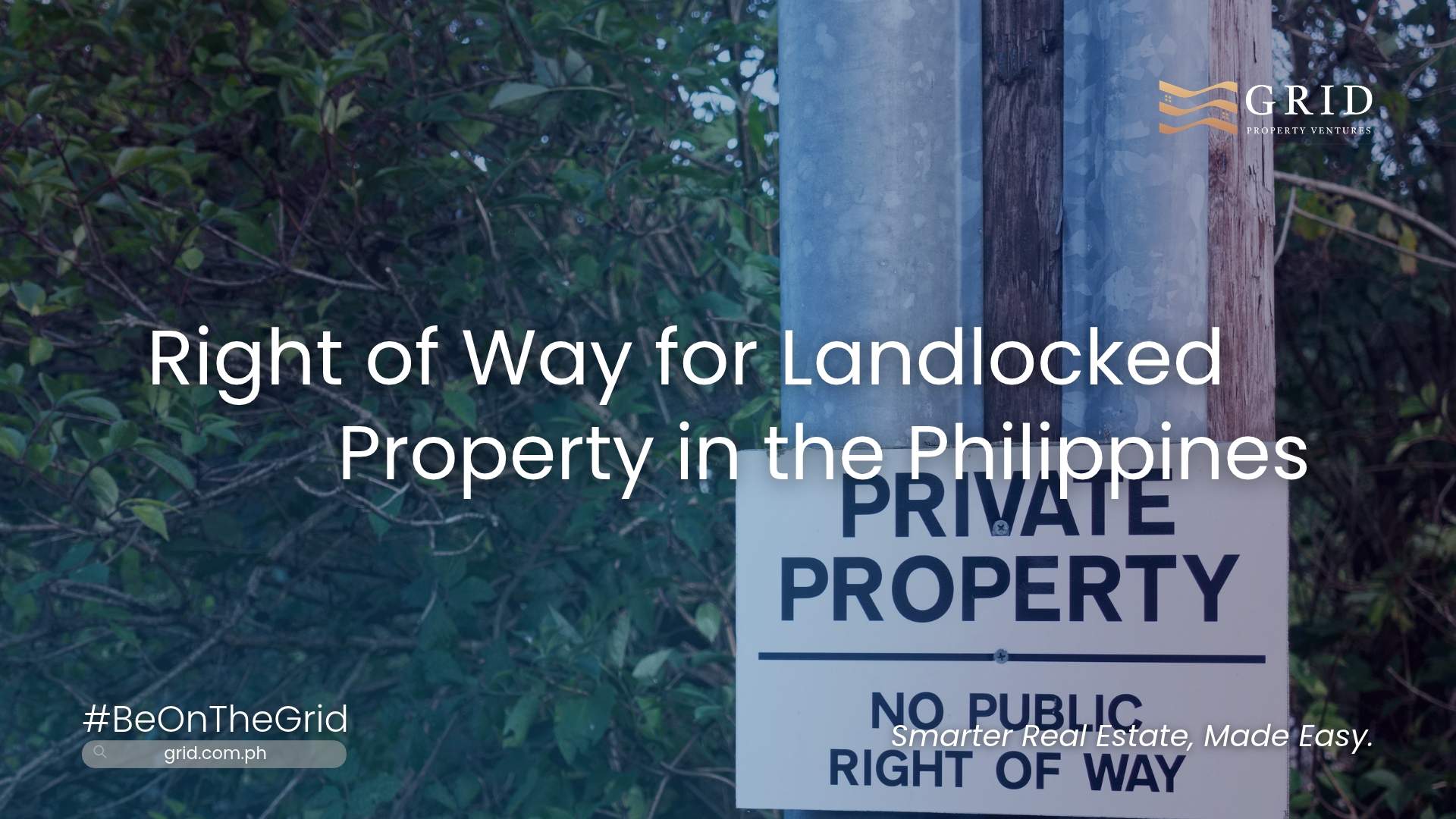
Property with no access to a public road is cheap for a reason. The Civil Code gives the owner of a landlocked lot a legal right to demand a way out, but it is a right with conditions, a price, and a procedure, and it is not a license to choose the most convenient route.