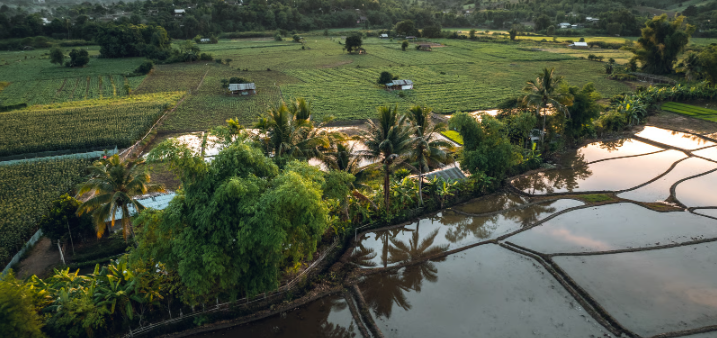
Across the Philippines, large portions of land remain idle or underutilized. Not because they lack value, but because the path forward is often unclear. For landowners, the question is what to do next. For cities, the challenge is aligning growth with infrastructure, energy needs, and long-term planning.
Real estate today sits at the intersection of land use, energy, governance, and development strategy. When these pieces work together, land becomes a driver of progress. When they don’t, opportunity stays locked.
This is where smarter coordination changes everything.
Idle Land Is a Planning Problem, Not a Land Problem
Idle land is rarely idle by choice. In many cases, landowners are open to development but lack visibility into viable options. Cities may have growth plans, but limited insight into which private lands could realistically support them.
The result is a gap:
- Cities struggle to plan infrastructure efficiently
- Developers face delays and uncertainty
- Landowners wait without direction
What’s missing is a shared view of land availability, intent, and potential use.
Real Estate Is Now an Energy Conversation
Development is no longer just about buildings and roads. Energy has become central to how cities grow.
As urban areas expand, local governments must answer critical questions:
- Where can renewable energy projects realistically be built?
- How do we future-proof power supply for growing populations?
- Which areas can support solar farms without disrupting communities?
Land is the foundation of every one of these decisions. Without visibility into available parcels and their zoning realities, energy planning becomes reactive instead of strategic.
Giving Cities Better Visibility Into Land Potential
For cities to plan well, they need clarity. Not just on what exists today, but on what could exist tomorrow.
When land data is transparent and accessible:
- Municipalities can align infrastructure plans with real opportunities
- Energy developers can identify suitable locations earlier
- Zoning discussions become proactive rather than restrictive
Platforms like Grid help create that visibility by bringing land listings, intent, and location context into one place—making it easier for cities and stakeholders to see what’s possible.
Zoning Is Where Public and Private Goals Meet
Zonal values and land classifications shape the future of every city. They determine what gets built, where investments flow, and how communities evolve.
When zoning frameworks are outdated or unclear:
- Land remains underutilized
- Development slows
- Opportunities move elsewhere
But when local governments modernize zoning and align it with long-term goals, they create a framework where private investment and public interest can coexist.
Clear zoning:
- Reduces uncertainty for landowners
- Speeds up development conversations
- Encourages projects that serve broader community needs
What This Means for Landowners
Many landowners face the same uncertainty: owning land without knowing its best use.
Selling isn’t always the right answer. Neither is rushing into development.
Depending on location, zoning, and demand, land may support:
- Renewable energy projects such as solar farms
- Mixed-use or residential developments
- Infrastructure-aligned uses that grow alongside the city
By working with a platform that connects landowners to market demand and city priorities, owners gain clarity—not pressure—on what their land can become.
Turning Planning Into Action
Meaningful development doesn’t happen in isolation. It requires:
- Cities with clear, forward-looking plans
- Landowners willing to explore possibilities
- Developers and energy partners ready to invest
When these groups connect earlier in the process, development becomes more efficient, more sustainable, and more aligned with long-term goals.
The future of real estate isn’t just vertical growth. It’s coordinated growth—where land, energy, and governance move together.
And it starts by making land visible, understood, and ready for what’s next.