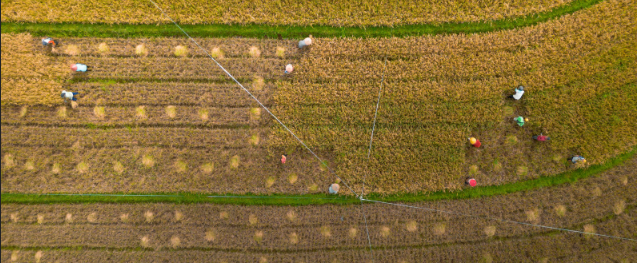
Across many provinces in the Philippines, landowners are starting to look at their properties differently. Agricultural land that once sat idle or produced modest income is now attracting interest from buyers and investors looking for long term opportunities.
Rising food demand, regional infrastructure projects, and changing investment trends have created new possibilities for landowners who want to maximize the value of their property. Instead of selling immediately, some are choosing to explore partnerships, leasing arrangements, or strategic investments that allow land to grow in value over time.
Understanding how to position agricultural land in today’s market can help owners unlock opportunities while maintaining control over their assets.
Why Agricultural Land Is Getting More Attention
Agricultural land has always played a major role in the Philippine economy, but investor interest has increased in recent years. Several factors are driving this shift.
First, investors are diversifying beyond traditional condos and residential properties. As urban markets become more competitive, some buyers are exploring provincial land for farming, eco tourism, logistics hubs, or long term development potential.
Second, infrastructure improvements such as new highways, farm to market roads, and regional development plans are changing accessibility in many provinces. Areas that were once considered remote are becoming more attractive to investors looking for growth potential.
Finally, food security and sustainability conversations have encouraged renewed focus on agricultural production. Some investors see farmland as both a business opportunity and a long term asset.
For landowners, this growing interest creates an opportunity to connect with the right partners instead of relying solely on local word of mouth or traditional brokerage networks.
Common Challenges Landowners Face When Finding Investors
Despite rising interest, many agricultural landowners struggle to reach serious buyers or investors. One reason is visibility.
Listings for farmland are often limited to local networks or informal channels, which can make it difficult to attract investors outside the immediate area. Without clear property details, verified documentation, or professional presentation, potential partners may hesitate to move forward.