
Buying your first home is a major milestone. It marks the moment you move from imagining the future to building it. In the Philippines, where home ownership is deeply tied to family, security, and success, this decision carries both emotional and financial weight. Many people dream of owning property, but knowing when you’re truly ready can be the difference between a fulfilling investment and a stressful mistake.
If you’ve been saving, searching, or simply wondering whether now is the right time, here are five signs that show you might be ready to take that next step toward owning your first home.
1. You’ve built a strong financial foundation
Money may not be the most inspiring part of home buying, but it’s the most important. A stable financial base gives you peace of mind and room to breathe throughout the process. Before anything else, check your income stability, current savings, and overall debt situation. You’ll need enough for a down payment, which in the Philippines typically ranges from 10% to 30% of the total price, as well as extra funds for taxes, bank fees, and moving costs.
It’s also wise to keep an emergency fund separate from your home budget. This safety net will protect you from unexpected expenses that can arise once you move in. If you can manage your bills comfortably, pay off debts on time, and still set aside savings, you’re financially positioned to buy your first home without feeling the strain.
One practical tip: review your credit standing. While not all lenders in the Philippines rely heavily on credit scores, your payment history still plays a role in securing favorable loan terms. The more responsible your record, the smoother your financing journey will be.
2. You understand what you can truly afford
Affordability goes beyond the price tag of a house or condo. It’s about how comfortably you can live once you own it. A common mistake among first-time buyers is stretching their budget too far to chase a property that looks perfect on paper. This can lead to tight finances and long-term regret.
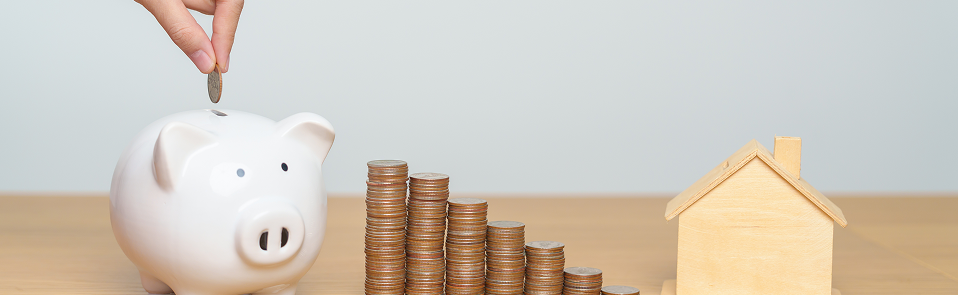
To avoid this, calculate your total monthly housing cost. Include not just your mortgage payments, but also utilities, maintenance, and potential association dues if you’re considering a condo or gated community. A healthy rule of thumb is that your monthly housing expenses should not exceed 30% of your income.